
Sidebench Sidebench
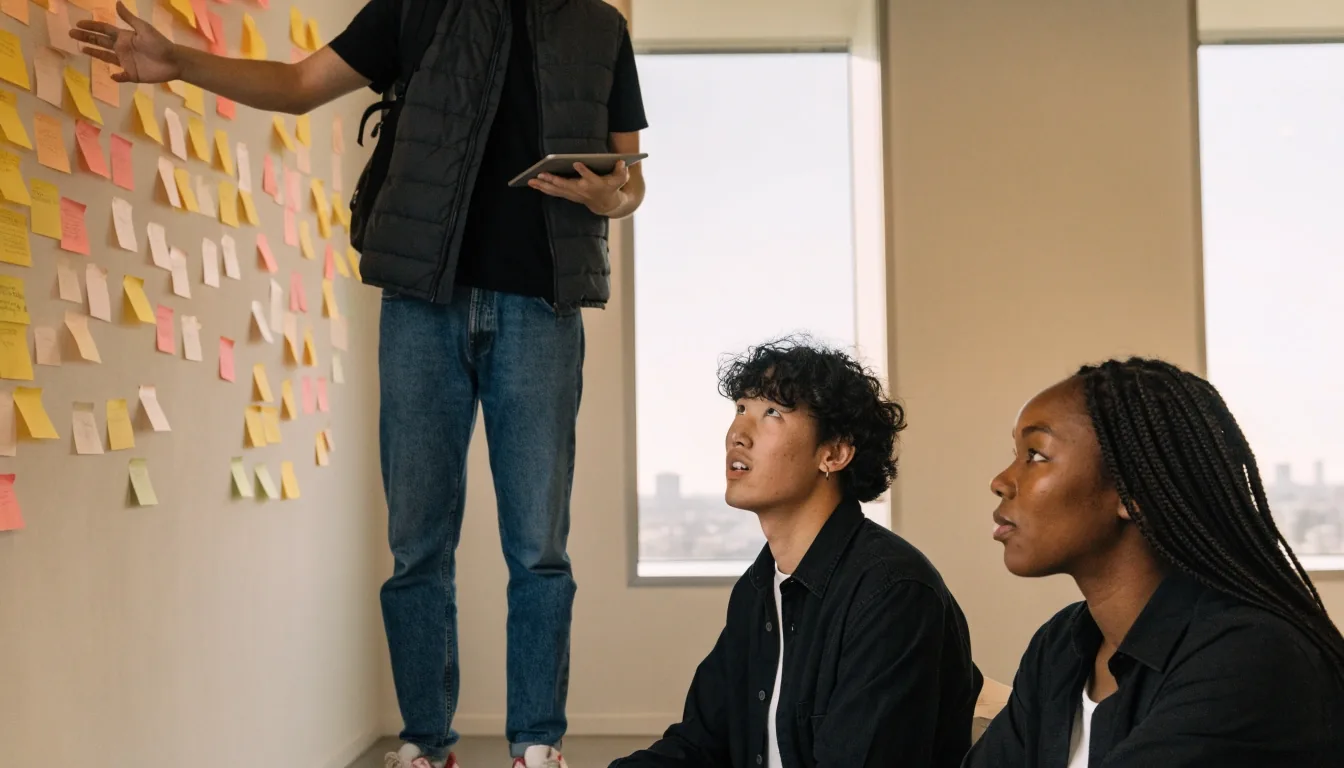
Sidebench team reviewing a product sketch together in the Los Angeles studio

Los Angeles, California

A product engineering team in Los Angeles

Sidebench designs, builds, and ships custom software, mobile apps, and AI-powered products with the teams who own them. We work from 149 South Barrington Ave, and with product organizations across the United States.

Who we work with

Our clients tend to be product leaders with a real problem and a real constraint. Sometimes that is an early-stage team building their first version of a product and needing both design and engineering at once. Sometimes it is an established organization modernizing an internal system that has been held together for too long — patched, worked around, and trusted by fewer people every quarter. Sometimes it is a product team that already has engineering capability but needs design or AI expertise they do not have in-house.

What these teams share: someone inside the company owns the outcome, and they want a partner who can hold the whole picture — interface, backend, data, and the decisions in between. If the problem is still a blank page and the budget is not yet real, the honest move is usually to wait. If the problem is specific and someone is accountable for it, we are a good fit.

Early-stage products
A first version that has to survive contact with real users, built with design and engineering in the same room.
Internal systems
Modernizing software that a company runs on daily, without a risky stop-the-world rewrite.
Design gaps
Product teams with strong engineers who need interface and research work they cannot staff.
AI additions
Teams that need to know where a model genuinely helps and where a simpler feature would do.

Most product problems live in the space between design and engineering decisions — so we keep those decisions in the same room.

Two Sidebench designers and engineers working side by side on one laptop

How the team is organized

Designers and engineers work on the same problem from the same week, not in sequenced handoffs. That is not a process slogan; it is a scheduling decision. It means the team can make trade-offs together instead of discovering constraints late, when changing course is expensive.

Engagements are usually small, with a clear scope and a working demo at the end of each increment. Nobody waits three months to see whether the direction is right.

  1. Shared problem framing

    The people who will build the product sit in the first conversations about what the product is for — not just what the ticket says. Questions about data, edge cases, and interface come up early, while they are still cheap to answer.

  2. Increments with something to show

    Each step of work ends in a working feature, a prototype you can click, or a design system foundation the client's own engineers can extend. Review means reacting to software, not to a status report.

  3. Code and design your team can carry

    Handover is part of the job from the first week. Documentation, naming, and component structure are written for the engineers who inherit them, whether that is your team or ours on a later phase.

What guides the work

Three things shape how we approach projects, and they occasionally cost us work we would have enjoyed. We would rather say that up front than discover it mid-build.

Build what the product needs

Not what is fastest to demo. A feature that photographs well in a review can still be the wrong shape for the workflow it has to live inside six months later. We favor the version that holds up when real data arrives, even when it takes a little longer to look impressive.
Prefer honest recommendations

Over impressive ones. If AI is not the right answer for a problem, we will say so and propose the simpler route — a rule, a better search, a clearer screen. Recommending a model where a database index would do wastes the client's budget and our engineers' time.

Keep design and engineering connected

Most product problems live in the space between design and engineering decisions — a layout that assumes a data shape the backend cannot produce, a feature that is trivial to build but confusing to use. We keep both sides of that conversation in the same room, on the same schedule.

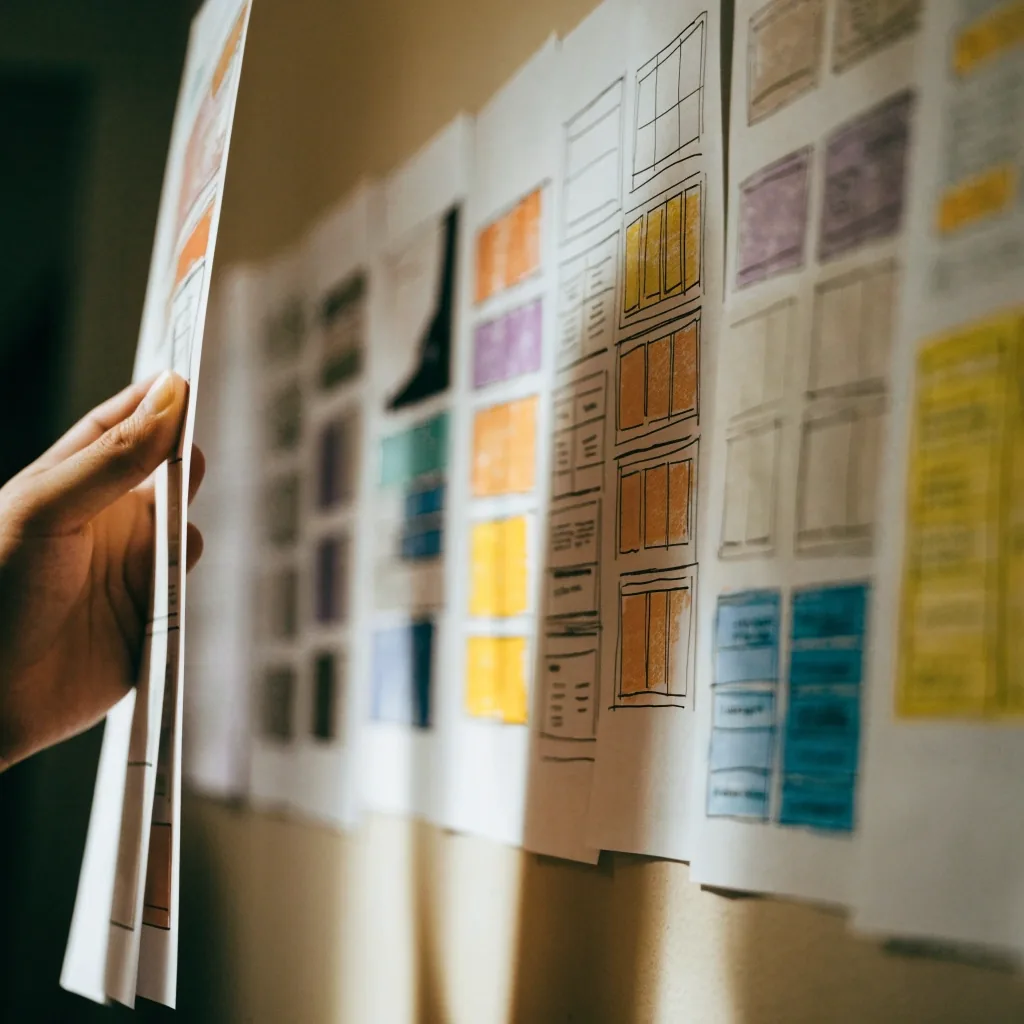
Printed interface drafts pinned in sequence during an early concept exploration

Where AI design tools fit

Tools like v0, Magic Patterns, Uizard, Relume, Bolt, Whimsical AI, Adobe Firefly, and Jasper are useful where they speed up the early part of a project: exploring concepts, generating first drafts, mapping flows. They do not replace the judgment that keeps a product coherent as it grows.

In practice that means we use them to widen the range of options we can show a client in the first days, then step back. The structural decisions, the data model, the interaction rules, and the accessibility of the result stay with our team.

See our AI solutions

How we scope projects

Most engagements start with a short scoping conversation and a first increment of work, usually a few weeks, so the team can evaluate the fit before committing to something larger.

Conversation

A short call or meeting about what you are building, what already exists, and where the friction sits. It is fine to arrive without a finished specification.

First increment

A few weeks of real work that produces something concrete: a working feature, a prototype, or a design system foundation. You see how we operate on live code.

Decision point

From there we decide together whether to continue, adjust scope, or stop. The first increment is designed so that the choice stays genuinely open for both sides.

Scope stays honest as the work moves. If something turns out to be smaller than expected, we say so instead of stretching it into the original estimate. If it turns out to be larger, we bring the trade-off to you before spending the time. You can read the wider picture on our services page.

Where we're based

Los Angeles is home base, and we work with teams across the United States. Coordination is usually remote-first with regular checkpoints and the option to travel when a project benefits from being in the same room — a design sprint, a launch week, or an onboarding session for a new team joining the product.

If you are local, the office on South Barrington Ave is a reasonable place to meet. We keep standard hours Monday to Friday, 9:00 AM to 6:00 PM.

Studio

149 South Barrington Ave
Los Angeles, CA 90049, USA

Plan a visit or send a brief

What we don't do

We don't sell hours, we don't run large staff-augmentation contracts, and we don't promise outcomes we can't control. We build products we can stand behind and we work with teams who care about what happens after launch.

Concretely: we are not the right partner if you need thirty contractors next month, if the deliverable is measured in timesheets rather than working software, or if the plan cannot change once it is written. If that doesn't match what you need, we'd rather say so before a project starts.

  • No time-and-materials hours sold by the seat.
  • No bulk staffing contracts without a product to own.
  • No promises about results that depend on markets we don't control.
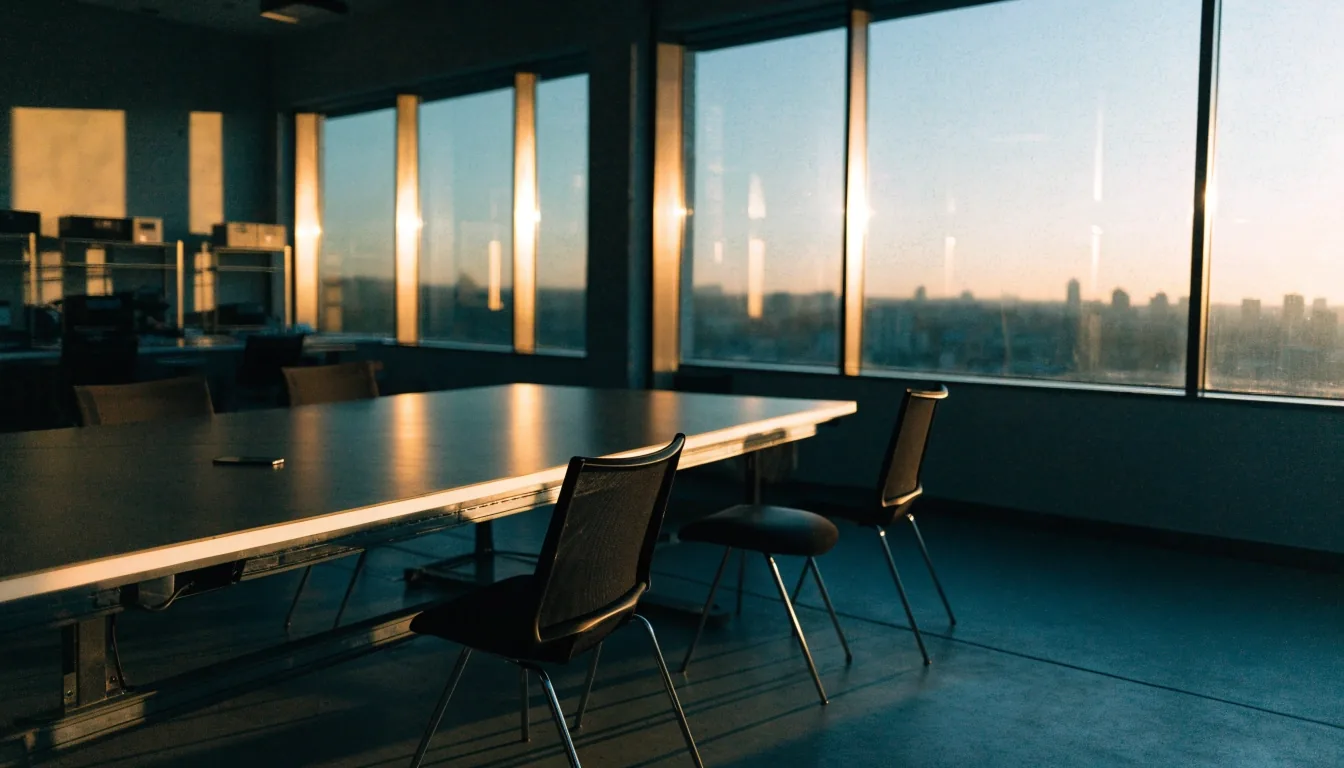
The Sidebench studio at the end of the working day, looking toward the windows

Getting started

If you have a project in mind, send a short brief through the contact page. What you're building, what's in place, where the friction is. We'll respond to schedule a conversation and take it from there. You don't need a finished specification to reach out.

Prefer to look around first? See selected work, UX and UI design, or AI solutions.